Airbnb is a booking platform. A holiday let is a way of using a property, and the same property is usually both at once. What matters is that “holiday let” carries separate legal definitions for business rates, tax, planning, your mortgage and your insurance, and a property can satisfy one of those tests while failing another.
The question that actually reaches owners is narrower than a business comparison. A letter from the Valuation Office Agency, a lender’s application form and an insurer’s schedule each want to know which category the property sits in, and they use different tests to decide.
What each word actually describes
“Airbnb” names the channel a booking arrives through. Change nothing about the property, delist it and put it on another platform, and every legal question below has exactly the same answer as before. Which channel you use changes your commission and your audience.
“Holiday let” names what the property is doing: furnished, let commercially, let for short stays. “Short-term let”, “serviced accommodation” and “holiday let” describe that same activity with different emphasis, and UK legislation tends to use “short-term let” or “self-catering accommodation” as the working term.
WHAT THE PROPERTY IS DOING · DECIDED BY TESTS
SHORT-TERM LETTING · STAYS UP TO 28 NIGHTS
Mid-term let
29 nights and over
Assured shorthold tenancy
Six months and up
HOW THE BOOKING ARRIVES · YOUR COMMERCIAL CHOICE
The one boundary inside that solid box carrying real legal force is the length of the stay. Anything over 28 nights stops being a short-term let for business rates, which matters more than it sounds and comes up again below.
Five bodies get a vote on what your property is
Nobody issues a certificate saying “holiday let”. Five separate organisations reach their own view, on their own evidence, on their own timetable.
- The Valuation Office Agency decides whether the property sits on the council tax list or the non-domestic rating list. It runs a night-count test.
- HMRC kept a category for furnished holiday lettings for four decades and abolished it in April 2025.
- Your local planning authority decides whether the use needs planning permission, case by case. England has no holiday let use class in force. What actually triggers planning permission covers the test and the three nations.
- Your lender decides whether the mortgage permits short letting at all, using its own product definitions.
- Your insurer decides what the schedule covers, using its own wording.
A sixth is coming, and it does not have a vote yet. England’s national register of short-term lets is required by law and still is not live. On 3 September 2026 the Culture Secretary told the Commons it would be “up and running in full by March”, without saying which March. When it arrives it becomes another body holding a formal record of what your property is, so it belongs on this list in advance rather than as a surprise. What is actually confirmed about the England register tracks it.
They do not consult each other, and they can disagree for years without anyone noticing. A property can sit on the rating list as self-catering accommodation while its mortgage still describes it as an owner-occupied home. The second of those facts is the one that causes trouble.
Business rates or council tax: England’s 140 and 70 night test
Here the classification stops being semantic and turns up on a bill. In England, a self-catering property moves from the council tax list to the business rates list when all three of these are true:
- It was available to let commercially, with the intention of making a profit, for 140 nights in a 12-month period.
- It was actually let commercially for 70 nights in that same period.
- You intend to make it available for at least 140 nights in the following 12 months.
Those rules have applied since 1 April 2023 (GOV.UK, updated 1 April 2026). Wales runs its own thresholds at 252 and 182 nights, and the rules guide sets out how each nation handles this.
Four kinds of night do not count toward the totals, and all four catch people out:
- Nights the property was closed for repair or refurbishment
- Nights the wider site it sits on was closed
- Nights you used the property yourself, including letting it to friends or family at a discount
- Future bookings that have not happened yet
Then there is the exclusion that surprises owners most. Stays over 28 nights are not short-term lets, so not one night of them counts as let.
ONE ILLUSTRATIVE YEAR
Which nights count toward each test
The grey November block is a single 30-night booking. It is over 28 nights, so not one of those nights counts toward the 70. This owner feels like they let 104 nights and can evidence 74.
The letter with a 56-day fuse
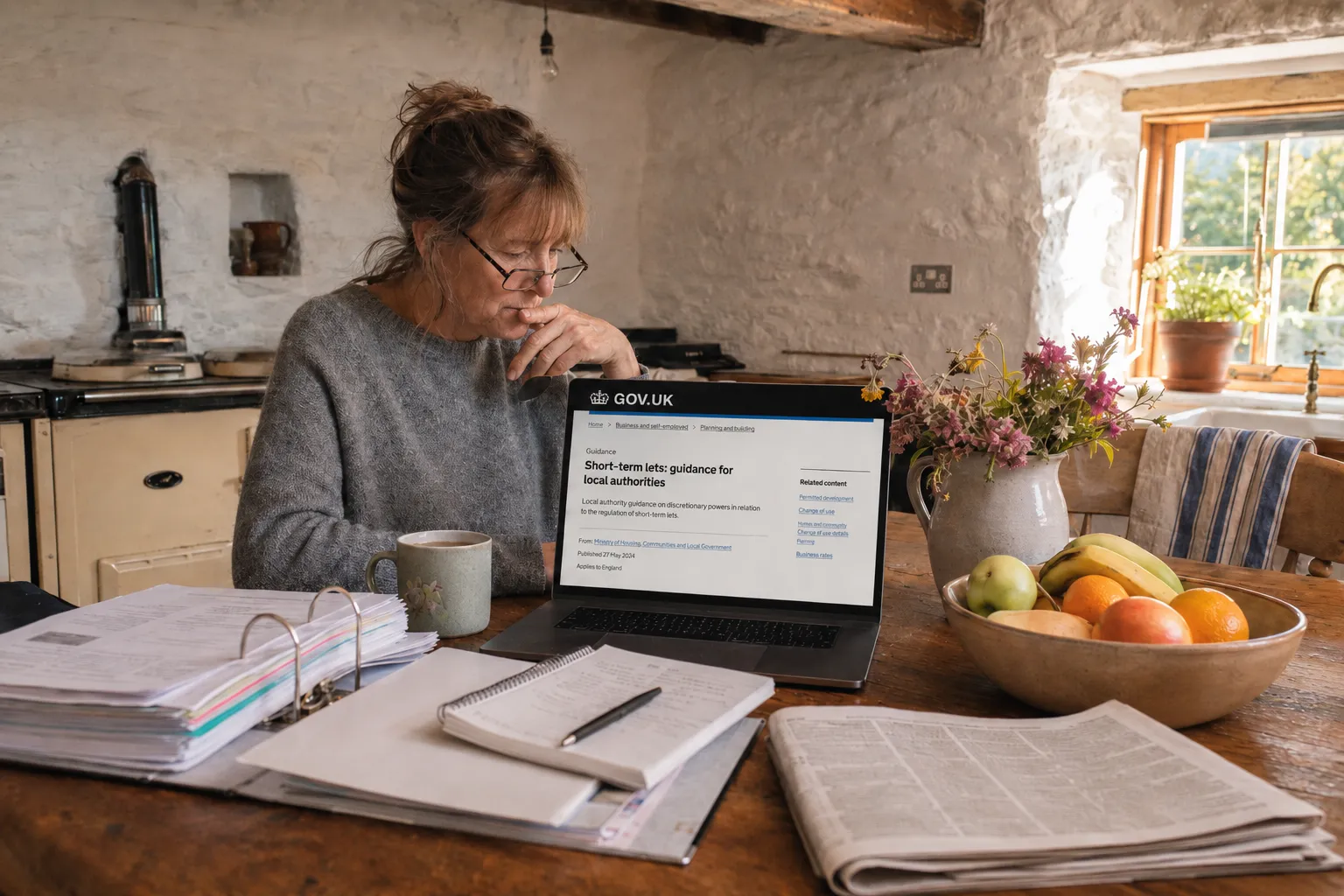
The VOA writes to owners on the rating list asking them to evidence the letting, and that letter carries a deadline that does its work quietly. In the agency’s own words: “If you receive a letter from the VOA asking for letting information about your self-catering holiday let, it’s important that you return it within 56 days of when it was issued. If you don’t then your property will be moved into the Council Tax list, regardless of whether you meet the criteria or not.”
Read the last clause twice. Meeting the test is no defence if the form goes unanswered. That is the strongest practical argument for keeping records in a form you can produce on demand: dated bookings, nights let, gross income, and the advertising that shows the property was genuinely available at a realistic price.
When a property comes to us, these questions get asked in this order, because each one can undo the one before it. What does the lease permit, what does the mortgage permit, what does the insurance schedule name, and only then how many nights the property can realistically let. The night count goes last because it is the only one of the four you can still influence.
What passing the test is actually worth
Whether the move saves money turns on two figures, and both are lookups for your specific property.
- Small business rate relief. A property with a rateable value of £12,000 or less pays no business rates at all. Between £12,001 and £15,000 the relief tapers from 100% down to zero. The relief assumes you use one property, and owning others brings further conditions into play (GOV.UK).
- The second home council tax premium. Where a council has adopted it, a second home can be charged up to twice the normal council tax bill (GOV.UK).
Stack those two together and the gap between the two lists runs from paying nothing to paying double. That is why the 70-night test deserves attention at the start of the year it applies to. Your rateable value is set by the VOA and the premium is your council’s decision. Confirm both for your own address before you plan around either of them. For one district worked through with real figures, how many holiday lets there are in Torridge shows 1,012 of 1,056 rated at £12,000 or less, in a council that has charged the full second home premium since April 2025.
The tax definition stopped existing in April 2025
“Furnished holiday letting” was a real HMRC category with its own reliefs for about forty years. It was abolished for income tax and capital gains tax from 6 April 2025, and for corporation tax from 1 April 2025 (GOV.UK). What that changed on the tax return itself, including the mortgage interest restriction and the 50/50 rule for jointly-owned property, is in how to declare Airbnb income on Self Assessment.
Short-let income now sits inside an ordinary UK property business and is taxed in line with other property income. Capital allowances on furniture and fixtures went with the regime, and finance costs are relieved at the basic rate the way they are for other landlords.
The consequence for this page is simple. Calling your property a holiday let buys nothing from HMRC today. Any guide still listing holiday let tax advantages is describing the position before April 2025. What the change means for your own figures is a question for your accountant, and what an Airbnb actually earns shows where tax sits in the sum.
Planning has no holiday let box to tick yet
England has no dedicated planning use class for short-term lets. A new class has been consulted on and discussed for over two years, and no statutory instrument bringing it into force has been laid. Whether a particular short let needs planning permission is decided case by case by your local planning authority, on the use and its effect on neighbours.
Two live exceptions are worth knowing. London has run a 90-night limit since 2015 under the Deregulation Act, and exceeding it is a change of use that needs permission. England’s registration scheme is a separate measure from the use class and is also not yet in force. The registration tracker follows both and states plainly what is confirmed.
Your lender and your insurer write their own definitions
Neither of these follows the VOA or HMRC. A lender’s product rules decide whether short letting is permitted at all, and consent to let is a written permission you either hold or you do not. An insurer reads the use recorded on the schedule, where “let property” describes a tenancy and covers a different risk. What a short let needs on its policy goes through that wording line by line.
The failure mode is identical in both cases. Nothing bounces when your first guest arrives. The mismatch surfaces at a remortgage or a claim, which is the worst moment to find it.
Where the popular guides get this backwards
Several widely read guides state that holiday lets face fewer safety regulations than long-term rentals. That has it the wrong way round.
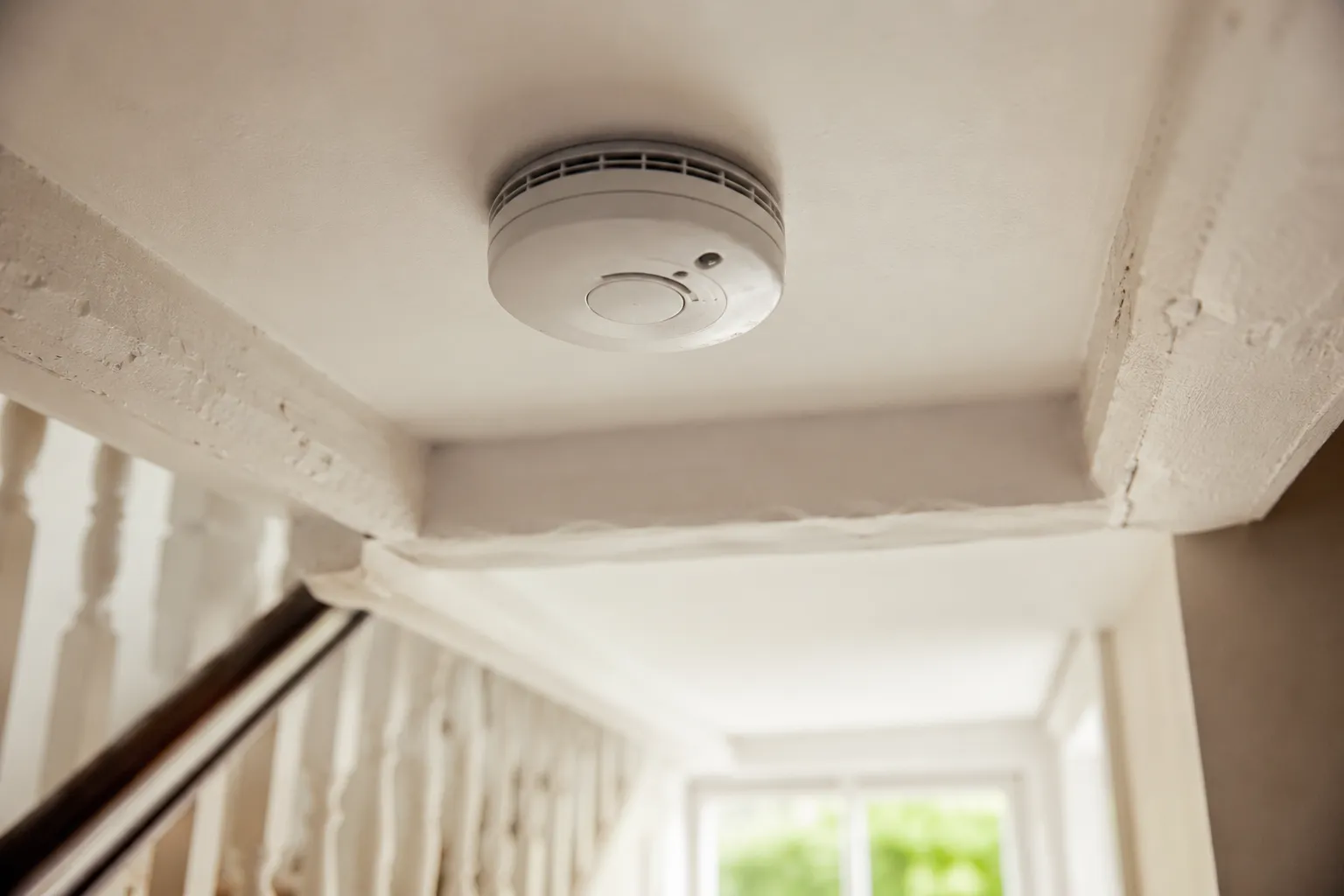
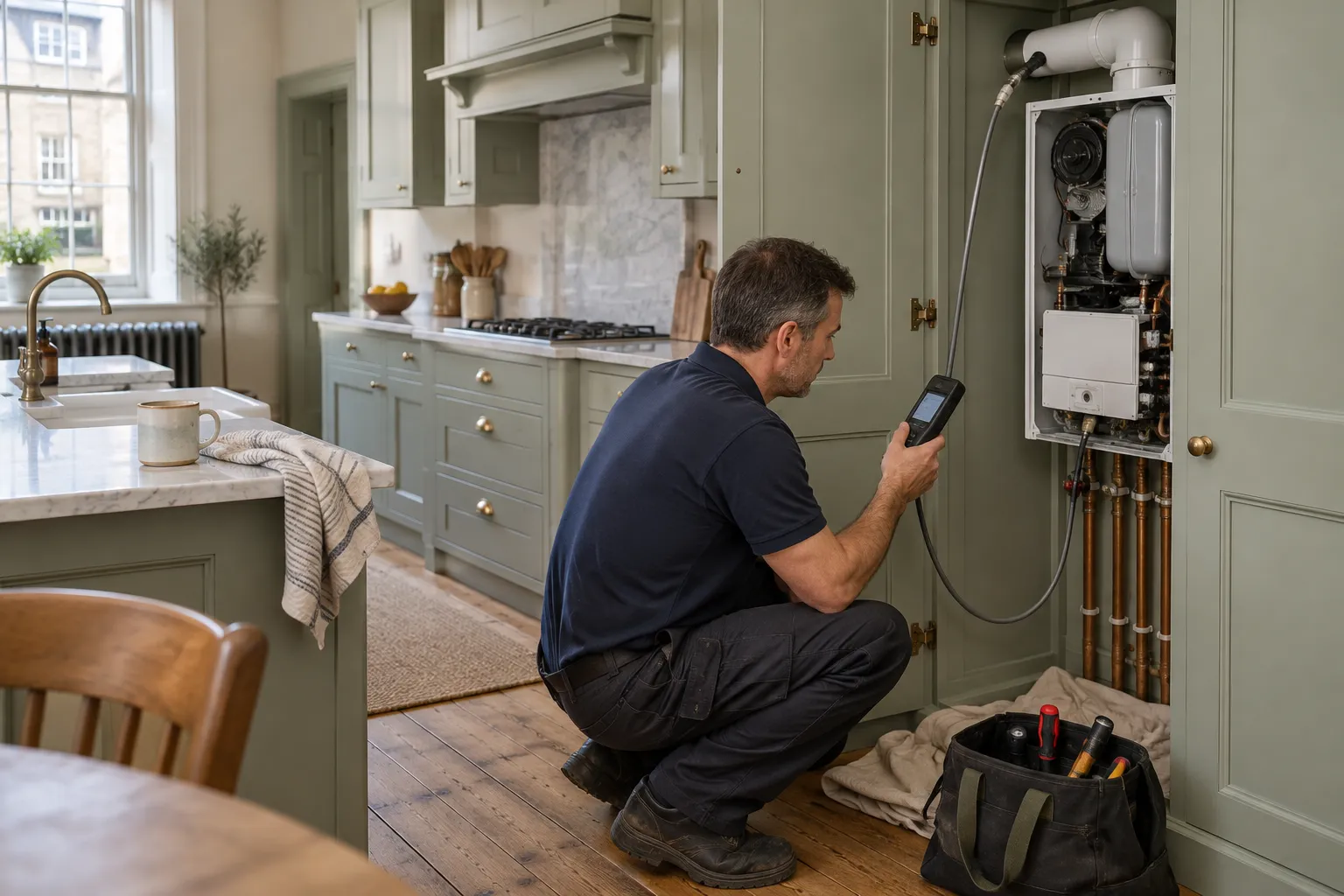
A property let to paying guests is regulated as paying guest accommodation. The government’s guidance for England covers fire safety, gas, electrical safety, EPCs, insurance and licensing for exactly this property type, and routes owners to the fire safety guide written for small paying guest accommodation. The alarm specification that follows from it is more demanding than the domestic standard most guides repeat, with interlinked smoke and heat alarms sited room by room. The furnishing checklist carries that specification in full, and the rules guide covers the duties nation by nation.
When chasing the classification is the wrong goal
Two situations where pushing for business rates status costs more than it returns.
The 28-night trap. A month-long winter booking from a contractor or a relocating family can be the most profitable booking of your shoulder season. It also contributes zero nights toward the 70. An owner who fills November and February with mid-term stays can be busier, better paid and further from the threshold all at the same time. That is a genuine commercial choice. Make it deliberately in January with the shape of the year in front of you. Airbnb against a long-term tenancy works through the same trade-off over a full year.
Discounting to reach 70. If you finish October on 55 countable nights, do the arithmetic on buying the last 15 properly. Cut-price winter nights carry changeover costs, laundry, wear and a lower anchor in your own pricing history. Weigh the full cost of those nights against the actual rates saving for your rateable value before chasing the number.
There is also the question of what you want the property for. An owner who wants six weeks of personal use each summer is choosing something that competes directly with the 70-night test, and that is a reasonable choice to make with the figures visible. Whether management is worth it works through this kind of decision in the same way.
If you are weighing up what a South West property would realistically let for, and how many of those nights would actually count, get a free Airbnb valuation. The nights assumption is stated on the page, so you can hold it against the 70 yourself.
What changed at this review
Re-checked 17 September 2026, 45 days after the last check. Every figure on this page was re-read at source and none of them moved.
- The 140 and 70 night test is unchanged, on guidance last updated 1 April 2026.
- Small business rate relief is unchanged: nothing to pay at a rateable value of £12,000 or less, tapering to zero between £12,001 and £15,000.
- The second home premium is unchanged at up to twice the normal bill where a council has adopted it.
- The FHL abolition dates are unchanged: 6 April 2025 for income tax and capital gains tax, 1 April 2025 for corporation tax, on a policy paper still showing 7 November 2024.
- One addition. The national register now has a ministerial commitment attached to it, so it is named above as the sixth body that will hold a view on your property’s status.
Frequently asked questions
Is serviced accommodation the same thing as a holiday let?
They describe the same activity with different emphasis. “Serviced accommodation” tends to be used for city apartments let to business travellers and “holiday let” for leisure destinations, and no UK statute draws a line between the two. For business rates, tax and planning, what counts is that the property is furnished, let commercially and let for short stays.
Do nights let to friends and family count toward the 70?
Not where they stayed free or at a reduced rate. The guidance excludes nights you used the property privately and puts discounted stays by friends and family in the same category. A friend who books through your normal channel and pays the going rate is an ordinary commercial letting. Keep the booking record either way, because this is exactly the kind of night the VOA asks you to evidence.
What happens if my property stops meeting the 70-night test?
It can be moved back to the council tax list, and your council then decides what follows, including whether a second home premium applies. The move takes effect at the next review, and reviews happen periodically, so there can be a lag of months. If you can see that you will miss the threshold, raise it with your accountant and your council ahead of the bill.
Does a month-long winter booking count toward the 70 nights?
No. Stays over 28 nights are excluded from the count. A 30-night booking contributes nothing toward the 70 even though it is commercial, paid and short by any ordinary use of the word. This is the most common way a genuinely busy property misses the threshold.
Sources
- GOV.UK: Apply for business rates for a self-catering property in England (the 140 and 70 night conditions and the exclusions; updated 1 April 2026, checked 2026-09-17)
- GOV.UK: Business rates: self-catering and holiday let accommodation (England and Wales thresholds; checked 2026-09-17)
- Valuation Office Agency: Proving letting information for self-catering holiday lets (the 56-day deadline and the evidence requested; published 24 July 2023, checked 2026-09-17)
- GOV.UK: Small business rate relief (the £12,000 and £15,000 thresholds; checked 2026-09-17)
- GOV.UK: Council Tax: second homes and empty properties (the second home premium, up to twice the normal bill; unchanged at this check; checked 2026-09-17)
- GOV.UK: Abolition of the furnished holiday lettings tax regime (abolition dates and consequences; checked 2026-09-17)
- GOV.UK: Letting out a self-catering holiday home in England: rules and regulations (the compliance scope for this property type; updated 15 May 2026, checked 2026-09-17)