Stone cottages along a Cornish harbour wall on a calm summer morning, small boats moored in clear water

Holiday let management that markets your cottage all year

For owners who want their holiday let booked, not just managed.

We run your holiday cottage or second home from the first photograph to the monthly statement. It goes on 30+ booking sites and its own booking page, priced through the year, with every guest, changeover and repair handled.

  • Sold beyond the brochureShort breaks, midweeks and winter work stays
  • Nothing on your plateGuests, cleaning, pricing and repairs
  • No lock-in30 days’ notice and no exit fees
Get my free revenue estimateWe pay for the market data behind it; it’s free to you. Leo rings to talk it through.

“Very happy with our stay. Perfect location and homely environment. Walking distance to the train station for big city trips and a short 5 minute walk into town.”

Five-star stay · Airbnb guest

Holiday let management, in short

Holiday let management means someone else markets and runs your holiday cottage or second home. Straight Up Stays does both: the cottage’s own booking page and 30+ booking sites from one calendar, pricing worked through the year, short breaks and longer winter stays as well as the peak weeks, every guest message, changeovers by a vetted local professional cleaning company, repairs through local trades, and one monthly statement. The fee is a percentage of booking revenue, with no lock-in and 30 days’ notice.

Updated 29 October 2026. Rules from GOV.UK, GOV.WALES and legislation.gov.uk, sourced in the table below.

Business-rates test, England
140 available · 70 let
The same test, Wales
252 · 182 nights
Second-homes premium, England
Up to 100% from 1 April 2025
Furnished Holiday Lettings tax regime
Ended April 2025

4.85★ average guest rating across the homes we run

Guests notice how a home is run

“Great apartment, nice and peaceful in a handy location. Clean and comfortable well equipped apartment.”

Five-star stay · Airbnb guest

“Was a great place to stay, nice and clean and very spacious”

Five-star stay · Airbnb guest

£67,500

One booking, found by marketing the home properly

A three-bedroom bungalow that had earned around £1,100 a month as a long let took a single booking of 546 nights at an average of £171.82 a night, paying out £67,500. That is one property, not a typical or guaranteed result. See The Bungalow.

Want to know what your cottage could earn?

Get my free revenue estimate

Why do holiday cottages sit empty outside the school holidays?

  1. Most holiday cottages are listed once, in one brochure or on one site, at seasonal price bands set the winter before, with a Saturday changeover.

  2. That fills the school holidays, when families come looking. Outside them the listing waits, and the guests who book short breaks, midweeks, last-minute and for work never come across it.

  3. Those quiet months decide a cottage’s year. They’re also where England’s 70-night business-rates test is passed or missed.

  4. So we market your cottage everywhere each of those guests looks: its own booking page, 30+ booking sites, priced as the season books, with longer work stays filling the winter.

What does a cottage’s year look like when it’s marketed?

The same cottage, the same year, drawn the way a booking calendar shows it. Switch between a listing that waits in one brochure and the way we run it.

Booked in the school holidays, quiet either side. Saturday weeks from one channel, and the months around them left to chance.

The peak weeks still sell, and the rest of the year gets worked. Short breaks, gap nights, direct bookings and one long winter stay, from many sources at once.

An illustration of how the two approaches book across a year, not a forecast or a real cottage’s calendar. Your estimate gives real figures for yours.

What changed between the two

  1. January and February

    Winter filled by one long stay

    A five-week work stay, booked direct, fills the quietest weeks with one changeover. Stays over 28 nights don’t count towards England’s 70-night business-rates test, so long stays are planned around it.

  2. Spring and autumn

    Short breaks on any day of the week

    Friday-to-Monday weekends, Monday-to-Friday midweeks and single gap nights, with minimum stays set by season so one short booking can’t strand the nights either side.

  3. Every month

    Seen on 30+ booking sites and its own page

    Airbnb, Booking.com and the rest run from one calendar, so a night is never sold twice. Returning guests book direct on the cottage’s own page, with no booking-site commission.

  4. The school holidays

    Peak weeks still sell, at what they’re worth

    The family weeks fill in both calendars. Ours are priced week by week as the season books, and the changeover days either side are kept useful.

  5. September

    Your own week, held

    The dates you want for yourself are blocked on every site at once before the season goes on sale.

A lakeside path through bracken under a grey autumn sky, fells rising behind the water

The weeks either side of the school holidays decide a cottage’s year.

Short-break, midweek and work guests book them. They have to be found.

Can a holiday cottage take direct bookings and longer stays?

Yes. Direct bookings and mid-term stays are our speciality, and they’re the two things a brochure listing rarely goes after.

Direct bookings

Every home gets its own booking page on our website, marketed alongside the booking sites, so guests can book you direct with no booking-site commission. It’s where returning guests come back to, year after year.

Mid-term stays

Contractors, work crews and people relocating stay for weeks or months. We market homes to them directly and through contractor and relocation partners, so January and February can fill with one long booking. Stays over 28 nights don’t count towards England’s 70-night test, so we plan them around it.

What changed for holiday lets in 2025, and what still applies?

April 2025 ended the old tax regime and let English councils charge up to double council tax on second homes. That makes the business-rates test matter more than it used to, and a well-marketed calendar is how a cottage stays on the right side of it.

Holiday-let rules in England and Wales, with sources, checked 29 October 2026
The ruleEnglandWalesSource
Business rates or council taxBusiness rates if available to let for 140 nights and actually let for 70 in the last 12 months, and available for 140 in the next 12. Only stays of 28 nights or fewer count as let.The same test at 252 nights available and 182 let.GOV.UK, self-catering property in England, updated 29 Sept 2026GOV.UK, self-catering and holiday let accommodation
Second-homes council tax premiumSince 1 April 2025 a council can charge a premium of up to 100% on a furnished home nobody lives in: up to double the normal bill. Each council decides.A premium of up to 300% since 1 April 2023, set council by council.Levelling-up and Regeneration Act 2023, s.80GOV.UK, second homes and empty propertiesGOV.WALES, empty and second homes
Furnished Holiday Lettings tax regimeAbolished across the UK: from 6 April 2025 for income tax and capital gains tax, and 1 April 2025 for corporation tax. Holiday lets are now taxed like other residential lettings.GOV.UK policy paper, updated 7 Nov 2024
Fire safetyA written fire risk assessment by the “responsible person”, under the Regulatory Reform (Fire Safety) Order 2005, with the precautions it calls for.GOV.UK, letting a self-catering holiday home, updated 2 Oct 2026
Gas safetyWhere there’s gas, a check every 12 months by a Gas Safe registered engineer, and the record kept (Gas Safety (Installation and Use) Regulations 1998).Our gas safety guide, with its sources
RegistrationA national register is law but not live. GOV.UK expects it to begin in March 2027.The register is open now. Every provider must be on it by 31 March 2027.GOV.UK, updated 2 Oct 2026GOV.WALES, updated 8 Oct 2026

Checked 29 October 2026. Scotland runs its own licensing scheme and rates thresholds; our guide to UK short-let rules covers each nation. The holiday-let tax guide explains the 140 and 70 night test in full. These are the rules as published, not advice on your own tax position.

What’s left for you to do?

Your part

  • Approve the plan, the pricing approach and the house rules.
  • Tell us the weeks you want for yourself.
  • Keep holiday-let insurance and any mortgage consent in place.
  • Read one statement a month.

Ours

  • The free revenue estimate and the launch plan
  • Photography, the listing and the cottage’s own booking page
  • 30+ booking sites, run from one calendar
  • Pricing and minimum stays, worked as the season books
  • Mid-term work stays for the quiet months
  • Every enquiry, message, arrival and review
  • Changeovers and linen by a vetted local professional cleaning company
  • Repairs through local trades, within the limit you set
  • The safety paperwork, and a monthly statement and payout

The work is run centrally. Changeovers go to a vetted local professional cleaning company, with local trades for repairs, trialled before your first guest. Every job we do, in full.

Leo Simpson, founder of Straight Up Stays

Before we managed holiday lets, we marketed them. Leo Simpson has specialised in UK holiday lets since 2020: first building websites and marketing for owners, then training more than 300 hosts, then running the whole operation. Ring him on 01271 447054. Our story.

What holiday cottage owners ask before switching

Rules checked 29 October 2026 against GOV.UK, GOV.WALES and legislation.gov.uk; sources are linked in the table above. Nothing here is tax or legal advice for your own property.

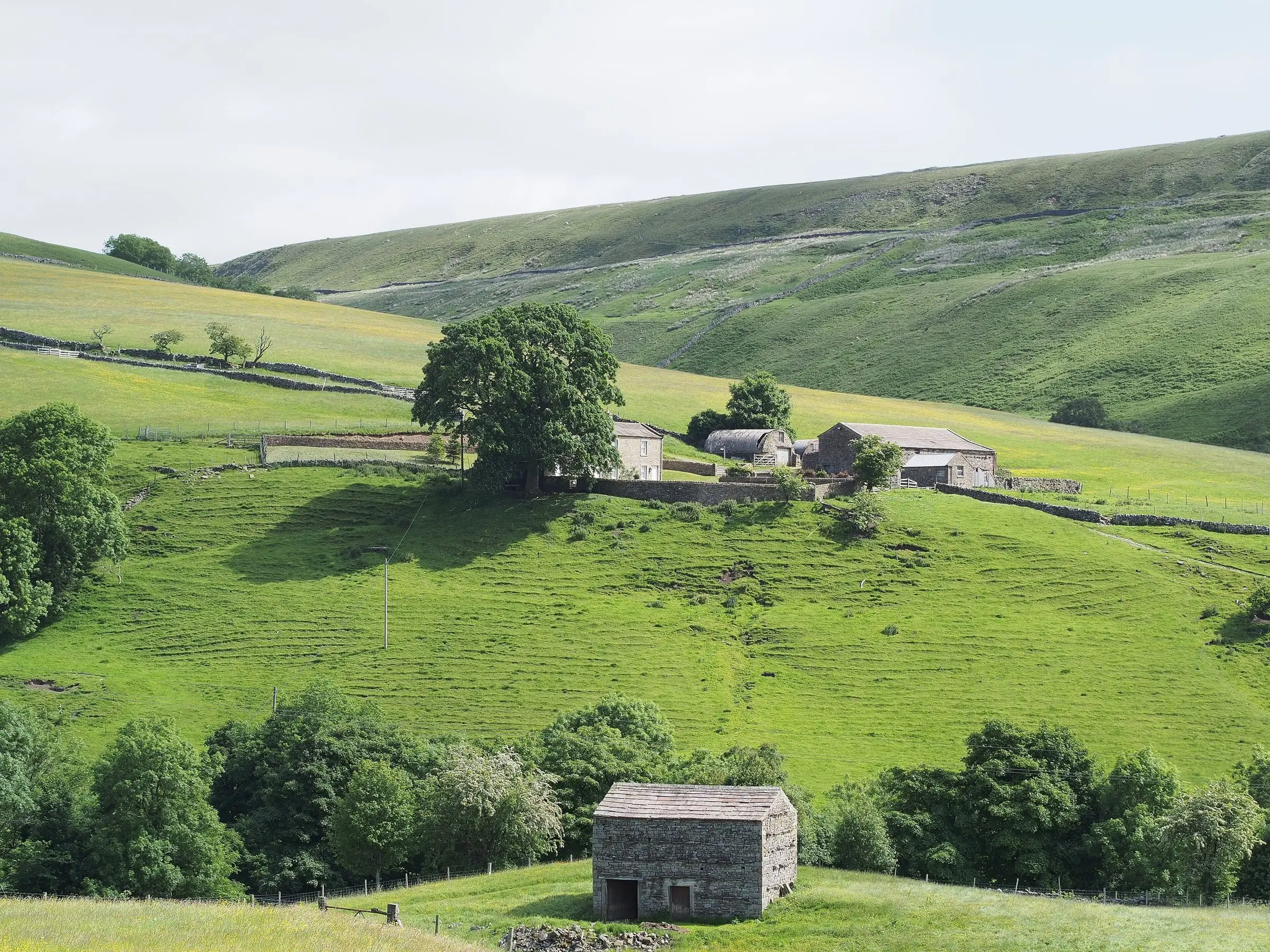
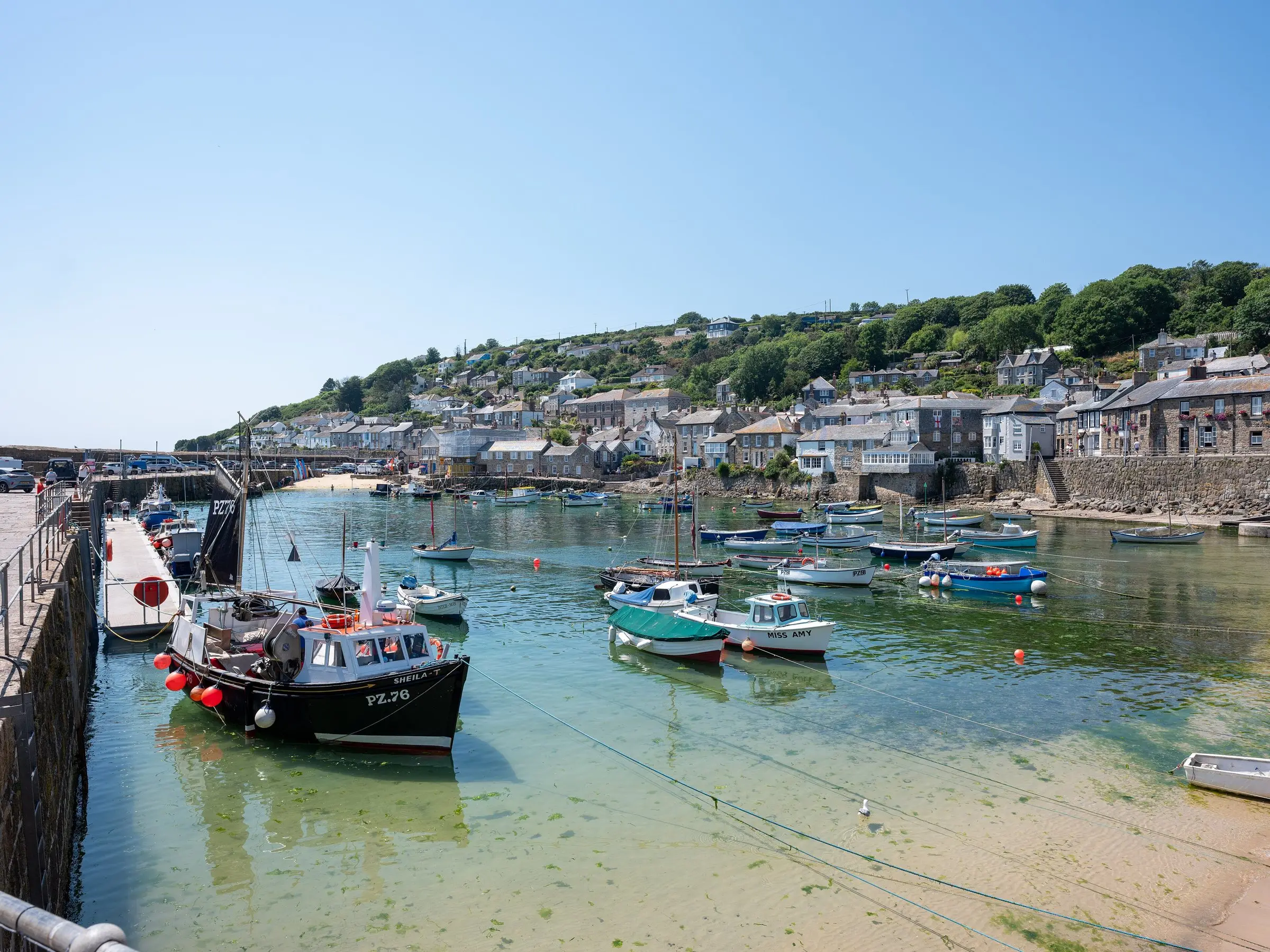
Photographs from Wikimedia Commons, cropped and resized: Mousehole harbour by ArildV, CC BY-SA 4.0; Buttermere by Julian Herzog, CC BY 4.0; East Stonesdale, Keld, by Kreuzschnabel, CC BY-SA 3.0.

What does holiday let management include?

Everything between a guest finding your cottage and your money arriving: the free revenue estimate and launch plan, photography and the listing, the cottage’s own booking page on our website and 30+ booking sites from one calendar, pricing worked through the year, every enquiry, message and arrival, a vetted local professional cleaning company for changeovers and linen, local trades for repairs within the limit you set, and one monthly statement.

How is holiday let management different from a holiday-letting agency?

A traditional holiday-letting agency mainly markets the cottage: it lists it in its brochure and on its partner sites, takes the bookings and charges commission on each one. Cleaning, keys, repairs and guest problems often stay with you or cost extra, and prices are often set in seasonal bands for the year. Full holiday let management covers the marketing and the running of the home, and we treat the marketing as a weekly job: where the cottage is listed, which guests see it, and what each night is priced at.

How much does holiday let management cost?

Full management is charged as a percentage of booking revenue, so we earn when your cottage does. Your rate and anything charged separately are confirmed in writing in your proposal before you sign. There is no lock-in, no exit fee and 30 days’ notice.

Can I move my cottage from a holiday-letting agency to you?

Yes, and the handover is ours to run. We go through your current agreement and notice period with you first, so you know the date you’re free. Guests who have already booked still get their stay: we agree with you how each existing booking is handled and plan the launch around them, so the calendar doesn’t go dark in between.

Will I lose my returning guests if I switch?

Returning guests are among the best bookings a cottage has, so we want them back. Your cottage gets its own booking page on our website, where they can book direct with no booking-site commission. What you can send to past guests depends on your old agency agreement and data protection law, so we check that with you before anyone is contacted.

Does a holiday let pay business rates or council tax?

In England it pays business rates if it was available to let for at least 140 nights and actually let for at least 70 in the last 12 months, and will be available for 140 in the next 12. Only stays of 28 nights or fewer count towards the 70. In Wales the figures are 252 and 182. A home that misses the test goes back on council tax, where a second-homes premium can apply (GOV.UK, updated 29 September 2026).

Do holiday lets pay the second-homes council tax premium?

Only while they are on council tax. Since 1 April 2025 a council in England can charge a premium of up to 100% on a furnished home that nobody lives in, so up to double the normal bill, and each council decides whether to (Levelling-up and Regeneration Act 2023, section 80). Welsh councils can charge up to 300%, since April 2023. A holiday let that passes the business-rates test is rated as a business instead, which is one reason we watch the let nights through the year.

What happened to Furnished Holiday Lettings tax relief?

The regime was abolished from 6 April 2025 for income tax and capital gains tax, and from 1 April 2025 for corporation tax (GOV.UK policy paper). Holiday lets are now taxed under the same rules as other residential lettings. What that means for your own figures is a question for your accountant.

What safety checks does a holiday let need?

A written fire risk assessment under the Regulatory Reform (Fire Safety) Order 2005, a gas safety check every 12 months by a Gas Safe registered engineer if there is gas, and electrics kept safe to a recognised standard. Getting that paperwork in place is part of setting your cottage up with us.

Do you only take Saturday-to-Saturday bookings?

No. Saturday changeovers often suit the peak school-holiday weeks, and we keep them there when they do. Outside the peak, the cottage takes short breaks and midweek stays on the days guests want, with minimum stays set by season so one short booking can’t leave awkward nights either side.

Can my holiday let take longer stays in winter?

Yes, and it’s one of our specialities. Contractors, work crews and people relocating stay for weeks or months, and we market homes to them directly and through contractor and relocation partners. A stay of more than 28 nights doesn’t count towards England’s 70-night business-rates test, so long stays are planned around it.

Can I still use my holiday cottage myself?

Yes, it’s your cottage. Tell us your weeks before the season goes on sale and they are blocked on every booking site at once. If you want a peak week, we’ll show you what that week tends to book for, so you choose with the figures in front of you.

Do you manage holiday cottages in my area?

We manage holiday lets across the UK. The marketing, pricing and guest care are run centrally, and changeovers go to a vetted local professional cleaning company, with local trades for repairs, trialled before your first guest. We don’t keep local offices, so the fee goes into marketing and running your cottage.

See what your holiday cottage could earn

Coast or country, tell us about the property. You’ll get a realistic revenue range, month by month, built from paid market data on comparable homes near you, and a straight answer on whether full management fits. Leo rings to talk you through it.

  • Free estimate
  • No lock-in
  • 30 days’ notice
  • No exit fees
Get my free revenue estimateAbout a minute, and we reply within one working day.